
In an application, the photo is read before everything else. That is not unfair, it is how the business works: a face is hired for a role, so the photo is your first audition. The good news: almost everything that makes a photo good costs nothing.
What a headshot has to do
A headshot is not an artistic portrait. It answers one question: what does this person look like today, in a room, when you meet them?
- Look like you, today. The rule that outranks all others. The face that walks into the audition room must be the one in the photo, or you lose credibility before saying a word.
- Clear, present eyes. That is where a face is read. Soft light, no shadow over the eyes.
- Head and shoulders framing, the chest cut at the bottom of the frame, with a little air above the head.
- A plain, neutral background: a bare wall, a closet door, a sheet of cardboard. The background never tells a story.
- An available expression: relaxed, light, inviting. Neither a catalogue smile nor a passport-photo frown.
You can take it yourself, here is how
At the start, you do not need a studio. A phone, a window and someone you trust are enough, as long as the result looks like you.
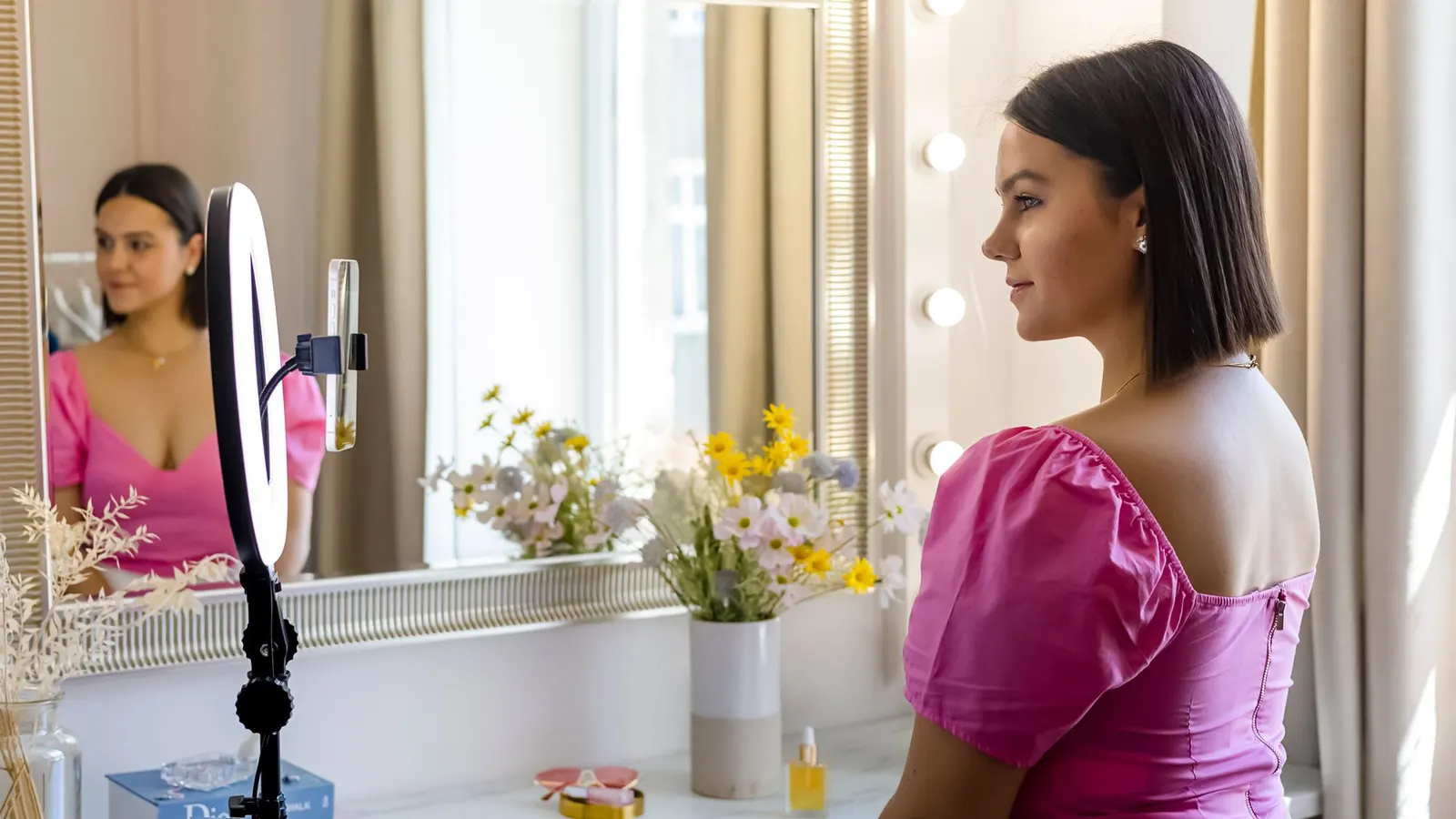
- The hour matters more than the gear. An hour after sunrise or before sunset, light through a large window is soft and flattering. Avoid midday sun, which hollows the eyes.
- Facing the window, not beside it. Put the person facing the light, the window slightly above eye level. A thin curtain stretched between the two softens it further.
- The phone at eye level, in photo mode, with no digital zoom. Focus on the eyes.
- Crop vertical: head and shoulders, chest at the bottom of the frame.
- Take twenty poses: head straight, head slightly tilted, a big smile, a light smile, a relaxed serious look. The best photos are rarely the first ones.
- No filters. Not beauty, not light, not portrait. A filter flatters the photo and lies about the face.

What gets a photo thrown out
- An old photo. More than two or three years old, or a changed haircut, color or beard: it is dead.
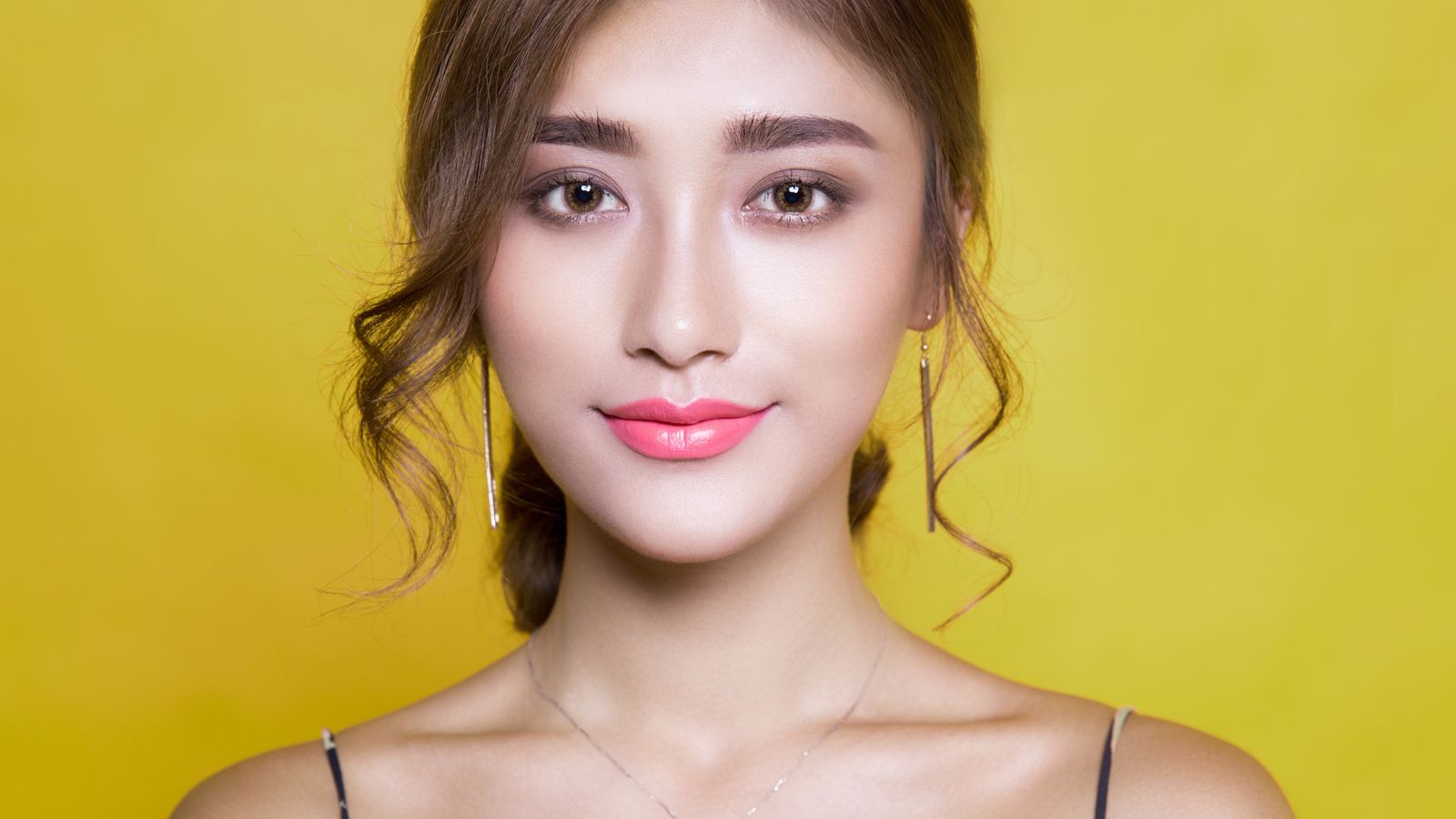
- Heavy retouching. Smoothing the skin, thinning the nose, changing the eyes: if the room does not match the photo, you lose twice.
- Sunglasses, hats, hands over the face: anything that hides costs you.
- The arm's-length selfie: the angle distorts, the arm shows, and the background tells your bedroom.
- A cropped group photo. Nobody should have to guess which one you are.
- Overproduction: an album-cover look, a magazine pose, a music-video light. They are looking for a person, not a character.
- Evening makeup or styling you would not wear on a Tuesday shoot.
How many photos, and which looks
You do not submit the same photo for a police officer role and a student role. The ideal is a small repertoire:
- The neutral look: you, the way the world sees you on a normal day. This is your main photo.
- The casual look: a plain t-shirt, hair as it is.
- The polished look: shirt or jacket, neat hair, for professional roles.
- One or two character looks if your repertoire allows: a beard, tied-back hair, glasses.
Three to five well-chosen photos beat twenty variations of the same one. And each must be defensible: if a casting director meets you, they should recognize the photo they called.
A professional photographer: yes, but not right away
A session with a photographer who knows the business gives what a window cannot: variety of backgrounds and light, exact framing, clean retouching. It is a useful investment once you audition regularly.
But at the start, that is not what blocks you: a natural photo that looks like you beats a studio photo that does not. And be wary of any agency that makes a session with its own photographer mandatory, or sells photo packages at sign-up. A serious agency lives on commissions from your contracts, not on photos.
In the application package
- Name your files clearly: firstname-lastname-headshot.jpg. A file called IMG_2026… gets lost in an inbox.
- Keep the photo with your CV: one page, photo on top.
- Match the photo and the self-tape: the face in your tape must be the one in the attached photo.
- Update it at every real change: haircut, color, glasses, weight loss or gain.
And the background-work photo?
Background work has its own rules: the photo should show you completely natural, because wardrobe dresses you from your measurements. A highly polished headshot is worth less than a no-makeup front photo and a full-length photo. The details are in the guide to becoming an extra in Quebec.
The Access Plan
Land your first auditions in 30 days
The 90-second test to spot a fake casting call, the 4 emails to copy and the self-tape setup for under $100. 25 pages, free.
The headshot is the cheapest audition you will ever take
An hour of window light, someone you trust, an honest selection: that is all a working headshot costs. It will not book you a role on its own, but a bad photo can close a door before anyone reads your name. Once the photo is good, the self-tape guide takes over: same logic, show what they would see if you were in the room. And to see the calls that match your profile and your region, Castflow for actors follows them for you.