

For a long time, the agent's craft relied on memory, network and a great deal of manual work. Today, AI is entering agencies' daily routine — not to decide in place of humans, but to handle in seconds what used to take hours : cross-checking availability, comparing profiles, sorting applications.
Where AI really saves time
Not all "AI" features are equal. In a talent agency, the impact concentrates on a few very concrete uses:
- Profile matching — analyze a brief's criteria (role, look, skills, languages) and instantly surface the most relevant talent.
- Opportunity discovery — spot castings and calls posted on networks and specialized platforms, without manual monitoring.
- Submission triage — prioritize files, detect duplicates and flag what's awaiting a follow-up.
- Profile updates — structure media, measurements and experience to keep a roster always usable.
"AI doesn't choose talent for you. It gives back the hours you spent searching for them."
AI doesn't replace the agent, it frees them
The heart of the job stays deeply human: the relationship of trust with a talent, negotiating a contract, reading a casting. These are exactly the areas where AI has nothing to add — and that's good news.
By automating the repetitive, time-consuming part, AI gives agents back time for what truly matters. The best teams aren't the ones that "use AI" for show, but those that use it to respond faster and with more reliable information.
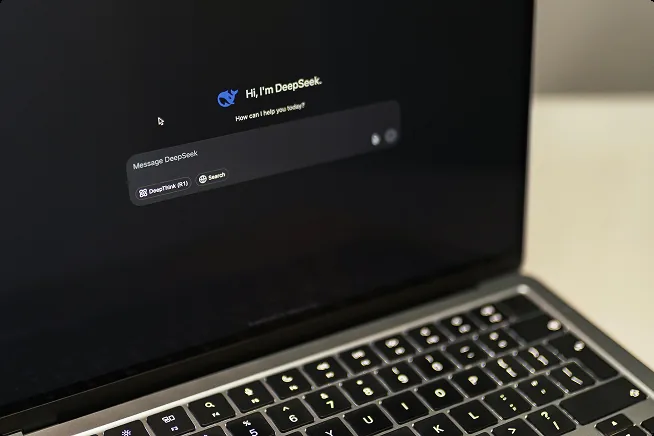
Integrating AI well into an agency
Adopting AI isn't a technical project reserved for large organizations. A few principles are enough to get real value from it:
- Start from a specific use case (matching, for example) rather than a vague promise.
- Keep the human in the loop : AI suggests, the agent validates.
- Work on clean data — AI is only useful if profiles are up to date and centralized.
- Measure the real gain : response time, number of submissions processed, opportunities converted.
AI isn't an abstract revolution for talent agencies: it's an operational accelerator. Used well, it turns an overwhelmed team into a responsive one, able to seize the right opportunities before everyone else.